



A root canal can save a severely damaged or infected tooth from extraction. Using microscopic dentistry, we ensure:
Don’t let tooth pain disrupt your life – get relief today!
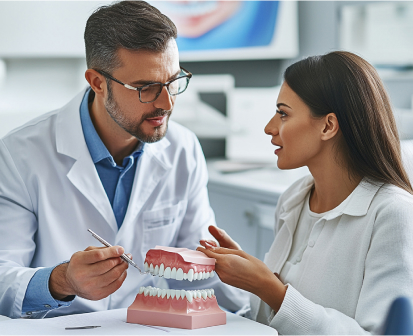
By addressing dental issues promptly, these procedures also prevent the spread of infection to surrounding tissues and reduce the risk of more extensive dental interventions in the future.
A root canal treatment, also known as endodontic therapy, is a dental procedure aimed at treating infections within the tooth's pulp—the innermost part containing nerves and blood vessels. This treatment involves removing the infected or damaged pulp, thoroughly cleaning and disinfecting the root canals, and then sealing them to prevent further infection. Following a root canal, restorative dentistry plays a crucial role in rehabilitating the tooth's structure and function. This often involves placing a crown or filling to protect the treated tooth and restore its appearance and chewing ability.
Root canal treatment is required when the dental pulp is irreversibly damaged and involves both coronal and apical pulp. This is usually caused when bacteria enter the pulp through a deep cavity or failed filling. Root canal therapy is not only performed when pain relief from an infected or inflamed pulp is required, but it is also done to prevent adverse signs and symptoms from the surrounding sequelae and promote the healing and repair of the surrounding periradicular tissues.
Restorative dentistry encompasses the dental specialties of endodontics, periodontics, and prosthodontics and is based upon how these interact in cases requiring multifaceted care. This may require the close input from other dental specialties such as orthodontics, pediatric dentistry, and special care dentistry, as well as surgical specialties such as oral and maxillofacial surgery.
Common types of dental restorations include dental crowns, dental fillings, sinus lift and bone grafting, veneers, and bridges. Dental crowns are tooth-colored or metal restorations that replace the essential structures of a missing tooth caused by root canals, decay, or fractures. Dental fillings are often used to fill cavities or holes after root canal treatment.
Maintaining good oral hygiene practices, such as regular brushing and flossing, along with routine dental check-ups, can help prevent tooth decay and detect issues early. Addressing cavities promptly and protecting teeth from injury also reduce the likelihood of requiring root canal treatments and extensive restorative procedures.
We always take care of your smile
+91 9360947492

we are dedicated to providing compassionate, high-quality dental care, promoting healthy smiles through personalized treatments and patient education.
Copyright © 2025 All Rights Reserved.